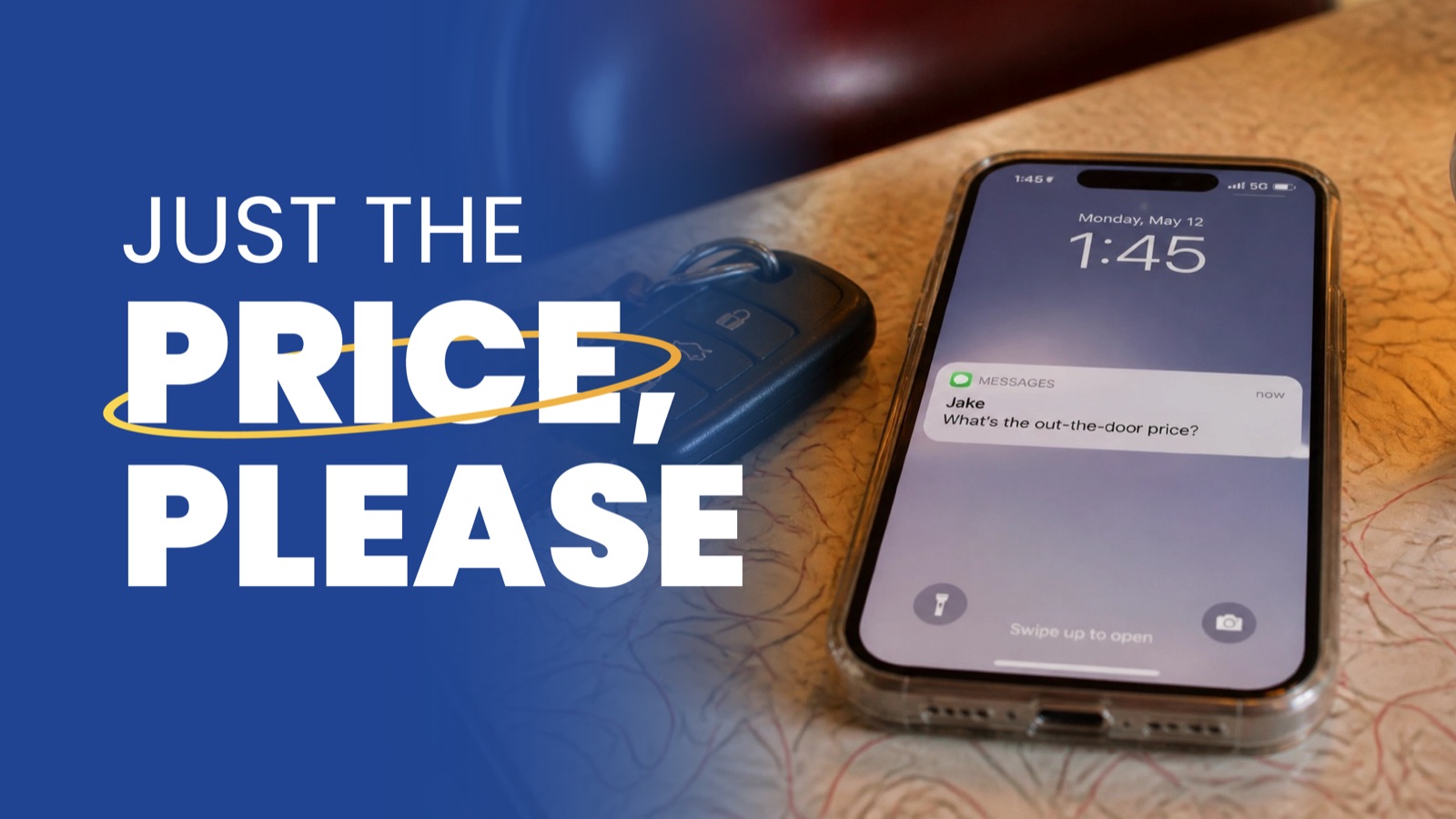
There’s a call you almost never used to get. The phone rings, and the person on the other end doesn’t want to hear about the car. Doesn’t want to schedule a test drive. Doesn’t even give you a last name.
They want one thing, what’s the total cost out the door, all in. Just give me the number. Then they’re gone.
A few years ago that call was pretty rare on a BHPH lot. We hear from dealers that more and more you’re getting a handful a week, and half the time the email address on the lead looks like somebody generated it by dropping a keyboard down a flight of stairs.
We’ve got some advice on how to handle it.
TikTok didn’t invent this, but now it’s aimed at you
The out-the-door price is having a moment. There’s a whole genre of car-buying advice online, most of it filmed from the driver’s seat of a car leased by the influencer’s mom, telling shoppers to skip the small talk and demand the all-in number up front, fees and tax and everything, before they ever set foot on a lot.
And it isn’t only influencers. Regulators are on the same side of it. The FTC spent early 2026 sending warning letters to dealer groups reminding them that the price they advertise has to be the price the customer actually pays, every mandatory fee included. So the buyer demanding an out-the-door number is following instructions. They’ve been told, by everyone from a guy with a ring light to the federal government, that the sticker and the real number aren’t always the same thing.
The core issue is that all of that advice was built for a franchise lot selling new cars.
There, the out-the-door price is the whole fight. The buyer is paying cash, bringing a check from their own bank, or financing through Ally. The dealer can only add margin on the fees and the add-ons bolted on at the end: the undercoating and the paint sealant and the $600 for unlimited windshield wiper replacement. Demanding the all-in number is how that buyer knows what they’re actually paying for.
That’s not your deal.
Your buyer’s real number isn’t on the windshield
On a Buy Here Pay Here lot, the sticker price has never told the buyer the thing they most need to know, which is whether the deal actually works for them. Most of your customers aren’t writing a check or showing up with a bank approval. They’re on your lot because the usual financing already told them no, wanted more down than they had, or handed them a payment they couldn’t carry.
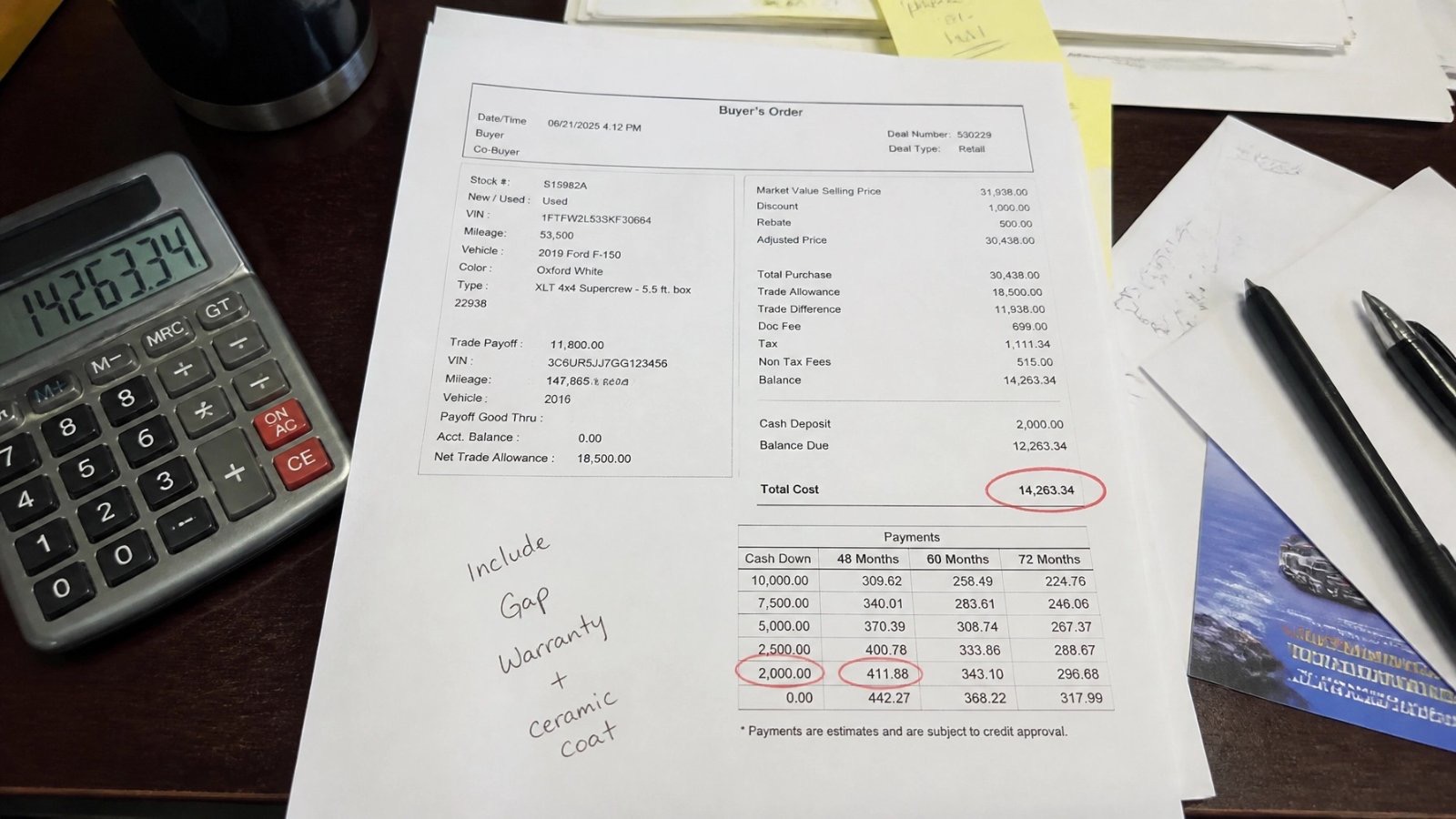
The question that decides the next three years of their life isn’t “what’s the out-the-door price.” It’s what’s down, what’s the payment, and can I keep making it.
So when a shopper leads with the OTD number, they’re shrinking your whole offer down to the one piece that’s easiest to compare across lots. What that number leaves out is the part that actually makes your deal different. Whether they can get financed at all, how the payment is structured, and whether you’ll work with them when they fall behind instead of sending a truck after the first late payment.
The answer they need isn’t the OTD number, it’s a reality check about what really matters in BHPH.
Where “just make them come in” misfires
The common advice is to treat the OTD call like any other and push the person to come to the lot. That’s not wrong. But it misreads the moment two ways.
First, it assumes every OTD caller is a tire-kicker. Some are. But the trend means more of them are real buyers who’ve just been coached to open with that question. Screen on the question itself and you’ll throw out live buyers with the window shoppers and never know the difference.
Second, stonewalling the number doesn’t make the buyer forget they wanted it. It just sends them down the road to whoever will answer, and now the comparison is happening on sticker price, on somebody else’s terms. You’d be guarding a number that was never your real advantage and giving away the whole conversation that actually matters.
Answer the number, then move it
The better play is boring, and it works. Answer the question. If you’ve got a real out-the-door figure, give it. Then, in the same breath, set the number that actually matters next to it.
Here’s the kind of thing a salesperson can just say:
“Out the door on this one runs about $17,800 if you’re registering it local and there’s no trade. Most folks I talk to care more about what it takes to actually drive it home, though. On this one you’d be looking at around fifteen hundred down and two-twenty every two weeks. You comparing total price, or trying to figure out what fits the budget?”
That answers the question without playing games, puts your real number on the table, and tells you in about ten seconds whether you’re talking to a cash buyer, a financed buyer, or somebody with a passion for Facebook marketplace.
And if you honestly can’t give an exact figure without knowing where they’ll register it, say so and give them the part you can stand behind. The vehicle price, the required fees, and what you still need to finish the math. Being straight about what you don’t know yet beats inventing a number, and it’s the exact opposite of the runaround they’ve been coached to expect.
Making it practical
The caller who only ever wanted the sticker and won’t talk about anything else was probably a cash buyer or a quote-collector who was never going to be your customer anyway. The one who leans in when you start talking payment is the buyer this whole trend is quietly sending you, and the very reasonable reflex to stiff-arm the entire batch throws that person out with the noise.
The lots that figure this out first won’t be the ones with the lowest sticker. They’ll be the ones whose very first conversation is already built around the payment, because on a Buy Here Pay Here lot, that was always the number that mattered.

About the author
Matt Darling, VP of Revenue at Carpay
With a background in scaling high-growth technology companies, Matt focuses on the economic mechanics of the BHPH industry and how dealers recover margin without making collections harder than they need to be.